

Hypermobility & Ehlers-danlo
Treatment In Dc
Specialized Support for Hypermobility & Ehlers-Danlos — Feel Stable in Your Own Body
Living with hypermobility or Ehlers-Danlos Syndrome (EDS) can make everyday movement feel unpredictable. At QuistMD, we offer expert care for patients with hypermobility spectrum disorders — combining joint stabilization, neuromuscular retraining, and hands-on therapies to improve function and reduce injury risk.
Unlike many clinics, we don’t dismiss complex cases. Our team is trained to listen carefully, build gradual and sustainable strength, and address the unique physical and emotional demands of living in an unstable body.

Our approach includes:
Joint stability &
neuromuscular control


Pelvic floor rehab for hypermobile
men and women

Pain reduction through myofascial
work and osteopathic manipulation
Education on energy conservation
& safe movement
Special areas of
service include:
Restore comfort, range of motion, and confidence in your daily movements. Schedule your consultation today.

The vast toolbox and thoughtful approach of Dr. Haggquist and his staff have restored me to full sporting activity time and again.
— Michelle High, Chevy Chase, MD
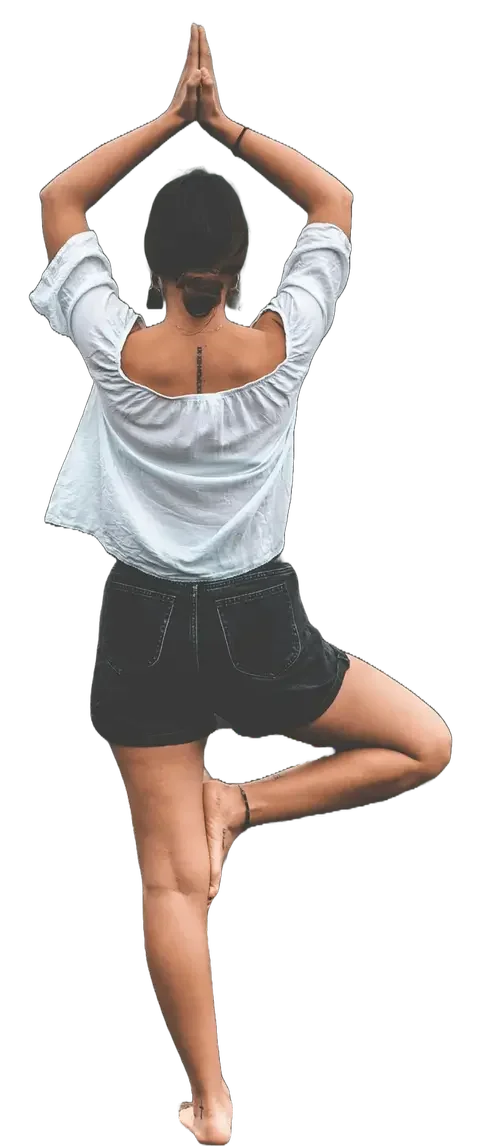

We are thought leaders in the Mattes Method of Active Isolated Stretching. We utilize this modality on a daily basis and teach it to you as an effective and strategic component of your home exercise program.
Our Office Hours

Monday to Friday
7:30 am - 6 pm
Saturday
8 am - 3 pm (no admin staff)
Sunday
Full day closed
Frequently Asked Questions
-
Hypermobility describes joints that move beyond typical ranges. Some people have mild hypermobility, while others experience pain, instability, or frequent injuries that may require a targeted care plan.
-
QuistMD provides physician-led rehabilitation that may include stability-focused strengthening, movement retraining, pacing strategies, and hands-on care when appropriate. The goal is improved function, confidence, and symptom management.
-
Yes. For many people, a carefully progressed program focused on stability, strength, and control can reduce symptoms and improve daily function. Plans are individualized based on tolerance and goals.
-
The number of visits depends on the cause, severity, and your goals. Many patients start with an initial evaluation and then follow a short, focused plan that is adjusted based on progress.
-
Telehealth may be appropriate for coaching, exercise programming, and follow-ups depending on your needs and presentation.