

Healing and
Improved Performance
Pain When You Lift, Grip, or Type?
Get Relief from Tennis Elbow Without Injections
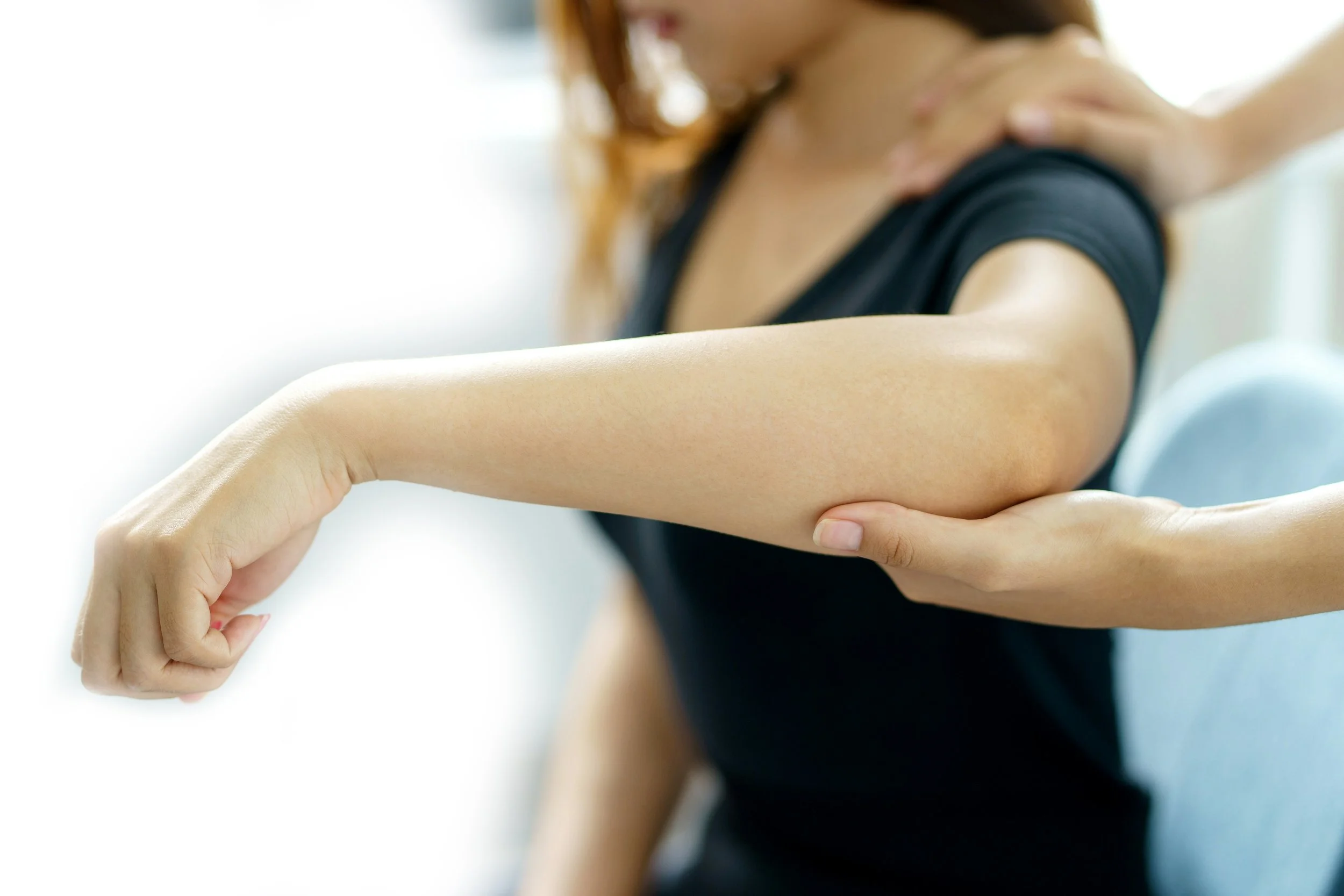
Tennis elbow (lateral epicondylitis) isn’t just for athletes. It affects anyone who grips, lifts, types, or works with their hands — from desk workers to weekend warriors. At QuistMD, our integrated team addresses both the pain and the movement patterns that cause it, using targeted manual therapy, progressive rehabilitation, and ergonomic retraining.
We specialize in treating elbow pain that’s resisted rest, bracing, or medications. Most patients feel measurable improvement within just a few sessions.
We help with:

Tennis elbow / lateral epicondylitis

Golfer’s elbow

Repetitive strain injuries (RSIs)
Post-surgical elbow rehab
Tendon inflammation or weakness
Book a personalized evaluation with
our team
And start lifting, gripping, and working again without pain.

The vast toolbox and thoughtful approach of Dr. Haggquist and his staff have restored me to full sporting activity time and again.
— Michelle High, Chevy Chase, MD
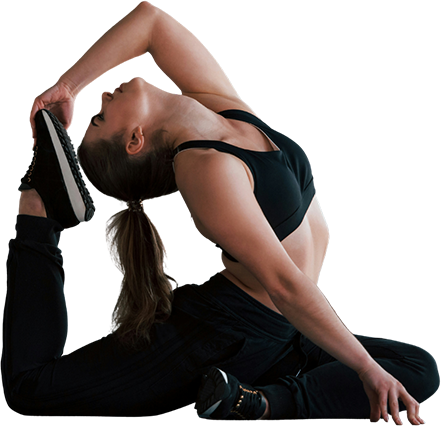
We are thought leaders in the Mattes Method of Active Isolated Stretching. We utilize this modality on a daily basis and teach it to you as an effective and strategic component of your home exercise program.
Our Office Hours

Monday to Friday
7:30 am - 6 pm
Saturday
8 am - 3 pm (no admin staff)
Sunday
Full day closed
Frequently Asked Questions
-
Tennis elbow is a common overuse condition involving irritation of tendons on the outside of the elbow. It can occur from repetitive gripping, lifting, typing, or sports activity.
-
If back pain is persistent, recurring, limiting your activity, or not improving with rest and basic self-care, it’s a good time to be evaluated. Seek urgent medical care for severe symptoms such as loss of bowel or bladder control, progressive weakness, or significant trauma.
-
Care may include manual therapy, targeted strengthening, activity modification guidance, and a structured home program. QuistMD’s goal is to reduce pain and restore grip and arm function.
-
Recovery time varies based on severity, activity demands, and adherence to a plan. Many patients improve with a focused rehab strategy, and your plan can be adjusted as symptoms change.
-
Not always. Often the best approach is modifying activity and loading appropriately rather than complete rest. A clinician can help you keep active while protecting irritated tissues.